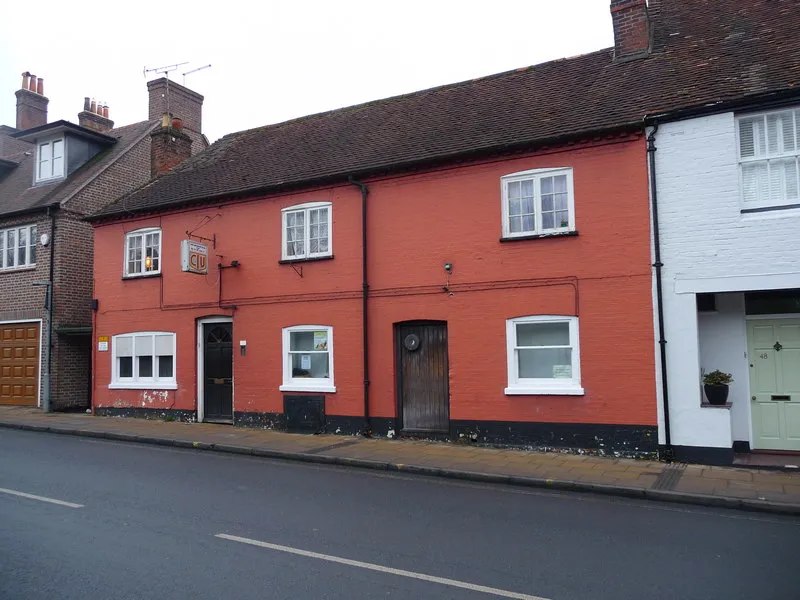
The Other Side of the Hatch: My First Volunteer Shift Behind Winton’s Bar

Photo: volunteer pulling pint behind social club bar UK, via givefinity.com
Standing behind Winton Social Club’s bar for the first time is a bit like being handed the controls of a very friendly bus. Everyone knows where they’re going, most people are pleased to see you, and there is a small but real chance you’ll forget where the tonic lives. I’d been a member for months before I volunteered, and I’d assumed the hatch was a mysterious portal operated by people who had been doing it since the building had different wallpaper. It turns out the only real qualification is turning up, paying attention, and being willing to ask where the lime cordial is kept.
Before the doors open
A bar shift does not begin when the first customer leans over the hatch. It begins about an hour earlier, when the lights go on and the room still smells of polish and last night’s crisps. The bar lead walks you through the basics: checking the cellar, making sure the lines are running clean, glancing at gas and temperature, and confirming what is actually in stock. Nobody expects you to diagnose a temperamental cooler on your first night. They do expect you to notice that the tonic shelf is looking thin and to say so before someone orders a gin and tonic at 8.45pm.
The change float gets counted, the till gets checked, and the pumps get a wipe. Someone writes the night’s options on the chalkboard in handwriting that is either beautifully clear or gloriously optimistic. Glasses come out of the glasswasher still warm. Ice gets topped up. Then there is the quiet bit — the bit where you stand behind the bar with a cloth, trying to look as if you know what you’re doing, while the first arrivals drift in and ask whether the football is on.
The training is less scary than it sounds
Winton does not throw new volunteers into a packed Friday night and wish them luck. The usual approach is a shadow shift: you work alongside someone experienced, watch how they take an order, learn the till buttons, and get used to the layout. Where is the soda? Which fridge has the white wine? Why is there a small drawer of pens that nobody is allowed to touch? These are the questions that matter.
You’ll be shown how to pour a decent pint, how measures work, how to use the card machine, and how to handle the awkward moment when someone orders a drink you’ve never heard of. You’ll also hear the important stuff — Challenge 25, keeping the bar area clear, not serving anyone who has clearly had enough, and knowing when to fetch a more experienced pair of hands. None of it is designed to catch you out. The training is practical, repeated, and happily interrupted by questions. The bar team would much rather answer “where does this glass go?” for the fourth time than find it in the wrong place later.
What makes a good bar volunteer
Speed helps on a busy night, but it is not the main thing. A good bar volunteer is calm, tidy, and curious. They listen properly, repeat the order back when it is complicated, and keep a cloth handy. They notice the person waiting patiently at the end of the bar and the regular who always has the same thing. They know that a quick “I’ll be with you in a second” is worth more than a silent scramble for the till.
Patience matters more than perfect pouring. So does a sense of humour. You will drop a glass. You will give someone the wrong change and have to correct it. You will discover that the word “dry” means several different things depending on who is asking. The trick is not to make a drama of it. Wipe it up, sort it out, and carry on. The bar is not a stage, but it is a social space, and the person behind it sets the tone.
How shifts actually get arranged
The rota is not a dark art. It is usually a clipboard, a folder, or a message thread that gets updated a few weeks ahead. New volunteers are often paired with someone experienced, and quiet nights are used as training ground before anyone is let loose on a big event. If you can only do one shift a month, that is fine. If you can do a Tuesday but not a Friday, that is fine too. The club would rather have a reliable volunteer once a month than a stressed one every week.
Swaps happen. Life happens. The important thing is to say early if something has changed. A bar shift is a commitment, but it is not a hostage situation. The committee and the bar lead would much rather know on Monday that you cannot make Friday than discover it at ten past seven when the doors are opening.
The rhythm of the night
A quiet Tuesday shift teaches you the job. A Friday shift teaches you the club. The pace changes around half past eight, when the room fills and the orders come in waves. You learn to line up the glasses, pour two drinks at once, and keep one eye on who is next. You learn that last orders is not a race and that the bell is a suggestion rather than a starting pistol. You learn that counting the change at the end of the night is much easier when two people do it together and nobody is in a hurry to get home.
Then comes the bit nobody warns you about: the feeling of being on the other side of the hatch. People nod at you. They ask how your week has been. Someone tells you a story about the club in the old days. You realise you have stopped being a guest and started being part of the furniture — in a good way. Not because you pulled a perfect pint, but because you turned up, helped out, and let the club teach you its rhythm.
If you have ever wondered about giving it a go, the best first step is simply to ask at the bar. Say you are interested in a volunteer shift. You do not need to be an expert. You just need to be willing to learn where the tonic lives.